
Frozen Storage in Saudi Arabia: A 2026 Guide for Restaurants and Food Brands
Frozen storage in Saudi Arabia has become a make-or-break decision for any business that handles perishable goods. With summer temperatures in cities like Dammam and Riyadh regularly pushing past 45°C, a single break in the cold chain can spoil an entire shipment. For restaurants, caterers, and food distributors, the right frozen storage partner protects both product quality and profit margins.
This guide breaks down how modern cold storage works, what temperature bands your inventory needs, and how to choose a facility that keeps your stock safe, compliant, and ready to serve in 2026.
Why Frozen Storage Matters More Than Ever in 2026
Saudi Arabia’s food service and grocery sectors are expanding rapidly, driven by tourism growth and Vision 2030 investment. More restaurants, ghost kitchens, and quick-commerce brands mean more demand for reliable cold chain infrastructure.
At the same time, food safety enforcement has tightened. The Saudi Food and Drug Authority sets strict rules on how frozen and chilled products must be handled, and non-compliance can lead to fines or product recalls. Outsourcing to a professional facility, such as this option for Frozen Storage in Dammam, gives smaller operators access to industrial-grade freezers without the capital cost of building their own.
The Real Cost of a Broken Cold Chain
Spoilage is only the visible cost. A cold chain failure also triggers labor waste, emergency restocking, lost sales, and reputational damage if customers receive substandard food. For a mid-sized restaurant group, one failed freezer over a weekend can wipe out weeks of margin.
Temperature Bands: Matching Storage to Your Product
Not all cold storage is the same. Different foods require different temperature ranges, and mixing them incorrectly reduces shelf life. Here is a practical reference for planning your storage needs.
| Storage Type | Typical Temperature | Best For | Approx. Shelf Life |
|---|---|---|---|
| Deep Frozen | -25°C to -18°C | Meat, seafood, ice cream | 6–12 months |
| Frozen | -18°C to -12°C | Prepared meals, vegetables | 3–6 months |
| Chilled | 0°C to 4°C | Dairy, fresh produce, deli | 1–3 weeks |
| Ambient | 15°C to 25°C | Canned goods, dry staples | Months to years |
The key takeaway: audit your inventory before signing a storage contract. Knowing the split between deep-frozen, frozen, and chilled goods helps you rent the right capacity and avoid paying for freezer space you do not need.
What to Look For in a Frozen Storage Facility
Choosing a facility goes far beyond price per pallet. Use this checklist when you evaluate providers:
- Temperature monitoring: 24/7 sensors with alerts and backup power to hold temperature during outages.
- SFDA compliance: documented handling procedures and hygiene certification.
- Traceability: barcode or RFID tracking so you can locate any batch instantly.
- Loading facilities: insulated docks that prevent temperature spikes during transfer.
- Flexible terms: short-term and seasonal contracts for demand spikes like Ramadan and Hajj.
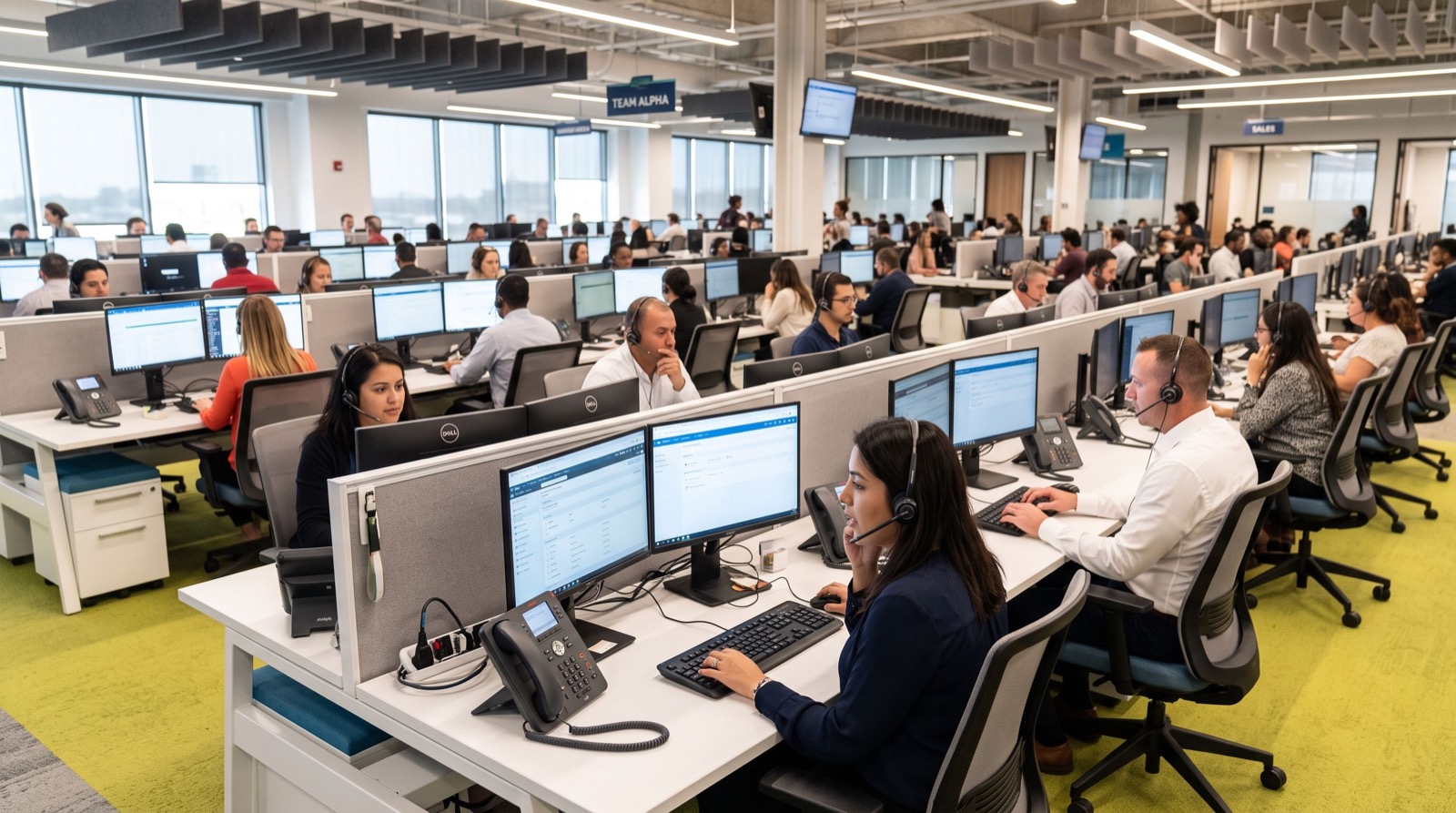
Restaurants in particular benefit from providers that understand food service workflows. Facilities offering dedicated Storage for Restaurants can handle mixed inventory, frequent pickups, and last-minute orders without breaking the chain.
The Overlooked Detail: Door Discipline
Here is a practical tip drawn from real facility operations: the single biggest cause of temperature drift is not equipment failure, it is doors left open during picking. Well-run cold stores use strip curtains, staged picking, and time-limited access windows. When touring a facility, ask specifically how they manage door discipline. It reveals whether the operator truly understands cold chain integrity.
Compliance and Food Safety Standards
Frozen storage in Saudi Arabia is governed by national food safety rules. Operators must maintain HACCP-based procedures, document temperatures, and separate raw and ready-to-eat products. For the official framework on food handling and storage requirements, review the guidance from the FAO Food Safety programme, which underpins many regional standards.
Working with a certified third-party facility simplifies compliance because the burden of monitoring, documentation, and audit readiness shifts to specialists who do it full time.
Planning Your Storage Move
Transitioning to outsourced frozen storage works best when handled in phases. Start with a pilot batch, verify temperatures and turnaround, then migrate your full inventory. Coordinating with logistics and relocation teams keeps the cold chain intact during the transfer, and many businesses lean on quality service providers to manage the physical move alongside storage onboarding.
- Audit current inventory and temperature requirements.
- Shortlist facilities and verify SFDA compliance.
- Run a small pilot to test reliability and reporting.
- Migrate in refrigerated batches during cooler hours.
- Set up recurring temperature and stock reports.
Seasonal Demand and Capacity Planning
Saudi Arabia’s food calendar is anything but flat. Ramadan, Eid, Hajj season, and the growing tourism peaks create sharp swings in demand that catch unprepared operators off guard. A restaurant group that runs comfortably on ten pallets of frozen stock in a normal month may need triple that heading into Ramadan.
Smart capacity planning means securing flexible frozen storage that can scale up for these peaks and scale back afterward, so you never pay for idle freezer space in quiet months. Providers that offer month-to-month or seasonal terms are worth a premium precisely because they absorb this volatility for you.
Building a Buffer Without Overcommitting
A practical approach is the 70/30 model: commit to a baseline volume that covers 70% of your typical demand on a fixed contract, then keep a flexible arrangement for the remaining 30% that flexes with seasonality. This protects your margins during slow periods while guaranteeing space when the rush arrives. Review the split every quarter as your sales data reveals new patterns.
Technology in Modern Cold Storage
Frozen storage in 2026 is increasingly digital. Leading facilities pair physical infrastructure with software that gives clients real visibility and control over their inventory. When evaluating providers, look for these capabilities:
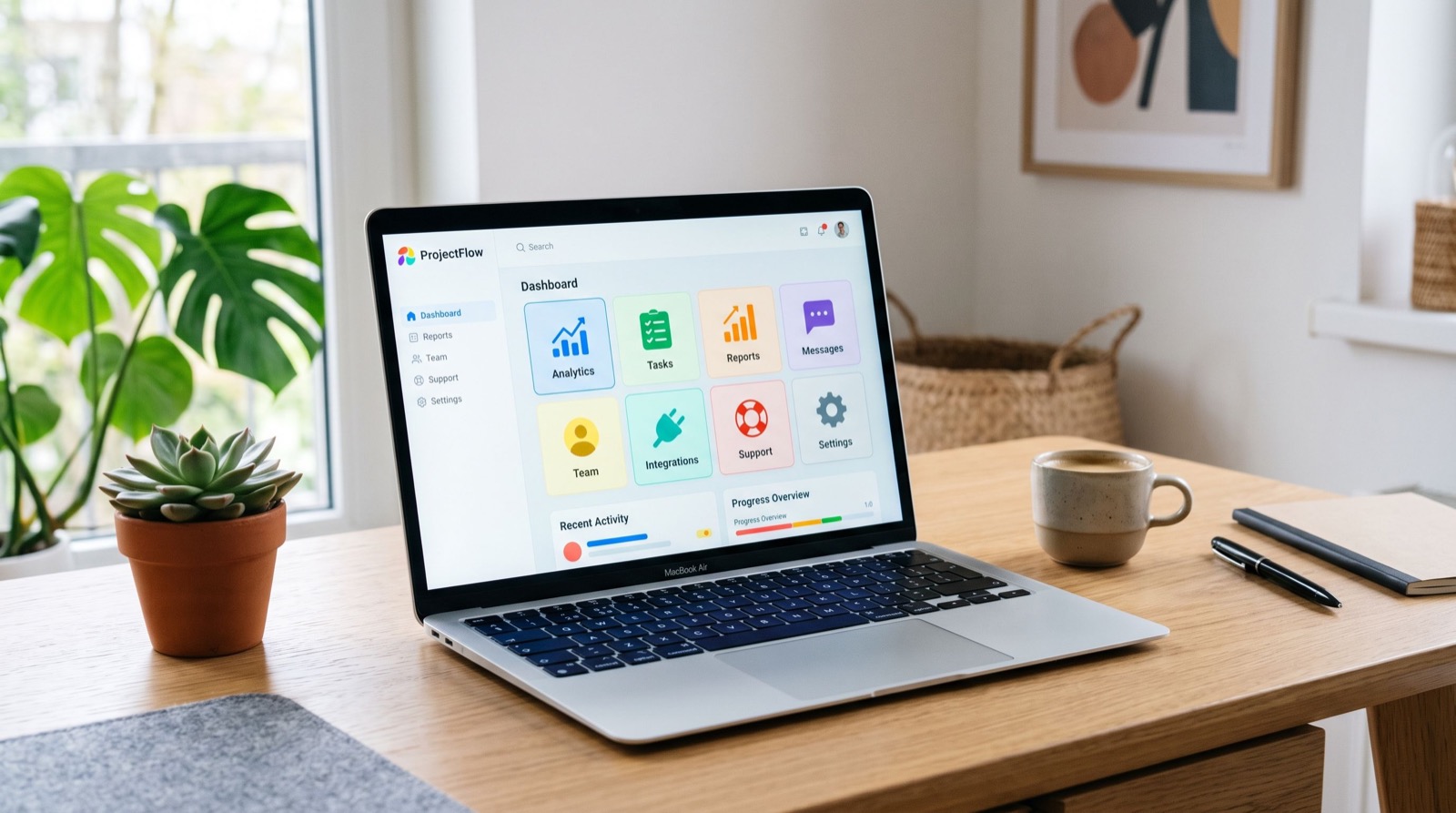
- Real-time dashboards: live temperature and stock levels accessible from your phone.
- Automated alerts: instant notifications if any zone drifts out of range.
- Digital audit trails: timestamped temperature logs ready for SFDA inspection.
- Order integration: connections to your POS or ordering system for smoother replenishment.
These tools do more than add convenience. They turn cold storage from a black box into a transparent extension of your kitchen, letting you catch issues before they become spoilage and prove compliance without scrambling for paperwork during an audit.
Frequently Asked Questions
What temperature is required for frozen storage in Saudi Arabia?
Most frozen food is held between -18°C and -25°C. Deep-frozen products like seafood and ice cream sit at the colder end, while general frozen goods stay near -18°C to preserve texture and safety.
How much does frozen storage cost for a restaurant?
Costs depend on volume, temperature band, and contract length. Renting shared cold storage is usually far cheaper than building and running your own freezer room, especially once you factor in electricity, maintenance, and staffing.
Can I store mixed frozen and chilled inventory together?
Not in the same zone. Reputable facilities offer separate temperature-controlled areas so chilled dairy and produce never share space with deep-frozen meat, protecting shelf life for both.
How do facilities prevent spoilage during power cuts?
Professional cold stores use backup generators, insulated construction, and continuous monitoring with alerts. These systems hold safe temperatures long enough to restore power or transfer stock if needed.
Conclusion
Reliable frozen storage in Saudi Arabia is no longer a luxury for food businesses, it is essential infrastructure. By matching temperature bands to your inventory, verifying compliance, and choosing a partner with strong cold chain discipline, you protect product quality and customer trust throughout 2026. Audit your needs, tour a few facilities, and start with a pilot before committing your full inventory.